New Cars Already Have AI That Detects Distracted Drivers; Here's Why It Matters
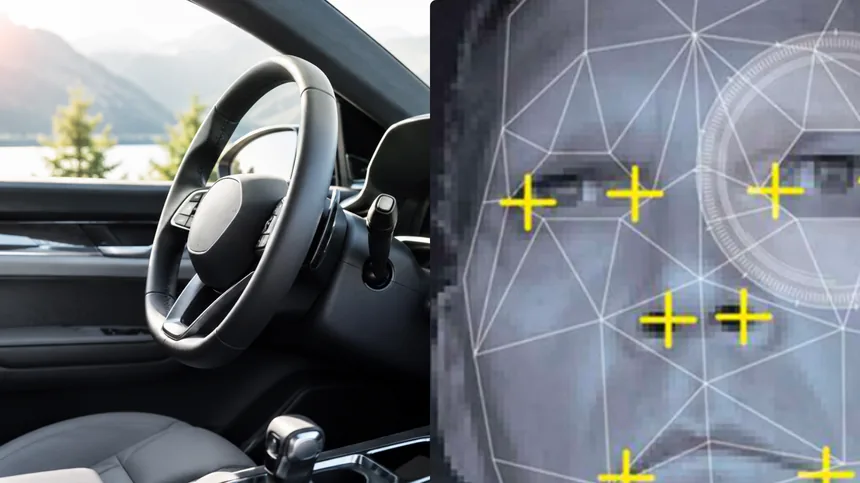
A quiet but meaningful change took effect in July 2026: new cars registered in the European Union are now legally required to include an AI system capable of detecting signs of driver distraction. Even if you're nowhere near Europe, this kind of technology tends to trickle into other markets over time, since automakers typically standardize features across regions, and it's a good gauge of where in-car technology is headed.
How the system works
In short, cameras and sensors inside the car track the driver's gaze and head movements to identify signs of drowsiness, distraction, or inattention, like repeatedly glancing at a phone or nodding off at the wheel. When it detects a risky pattern, the system triggers a sound or visual alert to bring attention back to the road.
Why it matters even outside Europe
Automakers typically design this kind of technology with global scale in mind, not just one market. That means features like this tend to show up in higher-trim versions of cars sold in other countries too, often before they become a legal requirement there, and they frequently appear first as options on corporate fleet vehicles, worth considering if your business has delivery vehicles or reps on the road.
Does this replace basic safety habits?
Not at all. No technology replaces getting proper sleep before driving, avoiding phone use behind the wheel, and taking breaks on long trips. The system works as an extra protective layer, not a license to let your guard down, worth reinforcing with any employee who drives as part of the job.
What to expect going forward
This kind of requirement will likely spread to other markets in the coming years, following the same path as other safety features that started as optional extras before becoming mandatory, like seatbelts and airbags did before it. It's a reminder that a lot of technology that seems "too advanced" today tends to become market standard quickly, the same reasoning applies to digital tools that seem expensive today and become accessible to any small business tomorrow.
Vehicle safety rules vary by country and change frequently; for fleet purchase decisions, always check current legislation and ask the dealership about available features in your market.
Frequently Asked Questions
Does this system record the driver?
According to what's been disclosed, the technology analyzes gaze and head movement in real time without recording or transmitting footage, acting only as a local alert inside the vehicle itself.
Does this already apply to cars in other regions?
The requirement mentioned is specific to the European Union. Elsewhere, this kind of feature usually arrives first as an optional extra on imported or higher-trim cars before becoming mandatory.
Is it worth considering this kind of vehicle for a delivery fleet?
It can be worth it, especially if it reduces accident risk and potentially lowers fleet insurance costs. It's worth checking with your insurer whether this kind of system is already factored into premium calculations.