How to Tell If a Video Is Fake: A Quick Guide Against Deepfake Scams
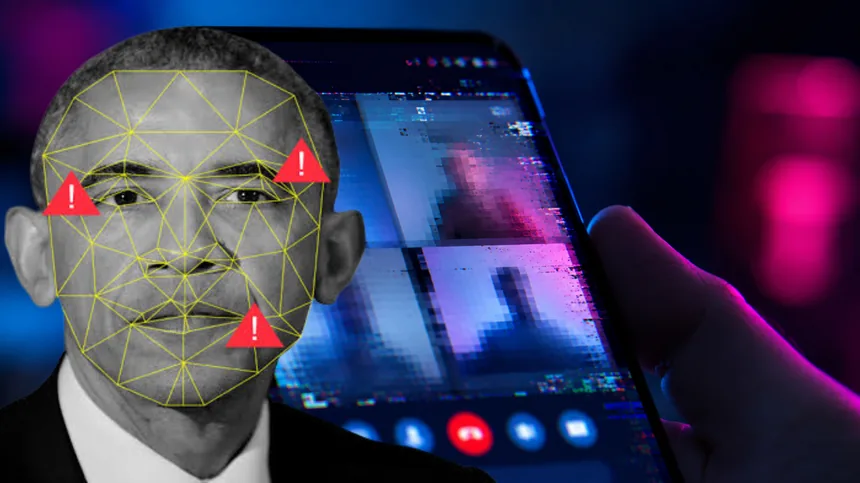
Videos and audio created with AI are getting harder to tell apart from real content, and several experts have flagged 2026 as a turning point on that front. The good news is that a few practical signs can still help you spot when something isn't what it seems, especially important if you handle customer messages every day.
Why spotting them got harder
AI video generation tools have advanced quickly, making it possible to create realistic scenes from just a few text prompts or a single reference image. That applies to entertainment content, and unfortunately, to scams and misinformation targeting consumers and small businesses.
Signs that still help you spot one
- Odd hand and finger movements: still one of the weakest points of the technology: extra fingers, missing fingers, or anatomically impossible positions;
- Inconsistent lighting: shadows that don't match the light source in the scene, or strange reflections in the eyes;
- Audio out of sync: the mouth doesn't quite match the sound, especially on consonants;
- Suspicious context: videos or messages designed to create urgency ("reply now," "confirm before it's canceled") are a strong red flag, AI or not.
And when it's a cloned-voice scam
Scams using AI-cloned voices of family members, or even suppliers, to urgently request money have become more common. If your business gets a call like this, even from a supposed customer or partner asking for an urgent change to payment details, hang up and confirm through another already-known channel before making any financial decision.
What to do if you spot a deepfake
Don't share it, not even "to warn others," that still helps spread it. Most social platforms have a specific reporting option for AI-generated misleading content; use that channel. This kind of caution pairs well with other digital security habits that already apply to businesses selling online, like recognizing warning signs of fake stores in online shopping, the underlying logic of being skeptical before acting is always the same.
Techniques for identifying fake content keep evolving; for suspicious cases involving money or sensitive data, the safest move is always to confirm through an already-known alternative channel.
Frequently Asked Questions
Is there an app that automatically detects deepfakes?
A few tools attempt this, but none are 100% reliable yet. A trained eye combined with skepticism toward sensational or urgent content remains the most effective defense.
Are AI cloned-voice scams common against small businesses?
Fraud cases using synthetic voice have been on the rise, including scams impersonating suppliers or customers requesting urgent changes to payment details. Always confirm through another channel before acting.
Could I face legal trouble for sharing a deepfake without knowing it was fake?
It depends on the situation and content. When in doubt about a specific video, the safest move is not to share it until you confirm its authenticity with trustworthy sources, and to seek legal guidance if needed.