Security
The $470 Million Text Scam
The five smishing scams stealing millions in 2026 — and the 3-second check that stops every one.
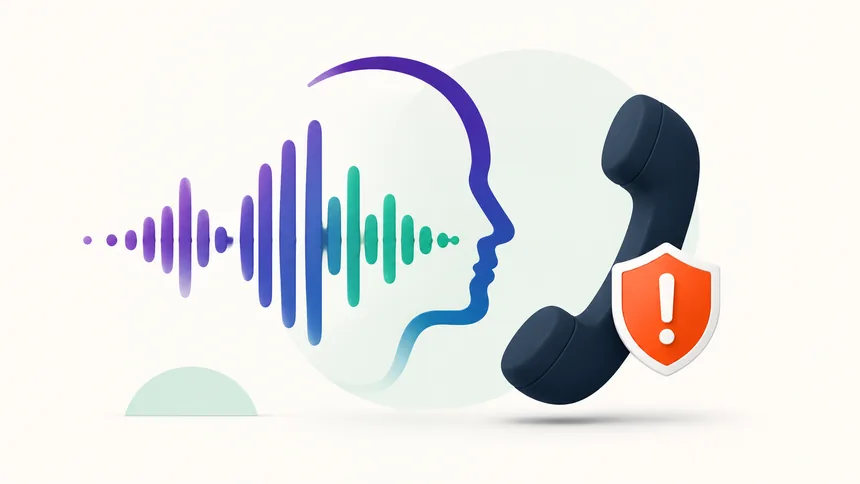
Imagine your phone rings late at night. It's your daughter's voice — crying, saying she's been in an accident and needs money right now. Every instinct tells you it's real. But it might not be. Using AI voice-cloning tools, scammers can now recreate a loved one's voice from just a few seconds of audio pulled from social media. This guide explains exactly how the scam works and how to make your family scam-proof tonight.
Modern AI tools can study a short voice sample and generate brand-new speech in that same voice, saying anything the scammer types. The sample doesn't have to come from anywhere secret — a few seconds from a public Instagram story, a TikTok, a YouTube clip, or even a voicemail greeting can be enough. The result is convincing enough to fool close family members under stress.
These scams are engineered around panic. A common script goes like this: a caller who sounds exactly like your grandchild, child, or spouse says they're in trouble — a car crash, an arrest, a medical emergency abroad. They're upset and rushed. Then a "lawyer," "officer," or "doctor" takes over and demands money immediately through a wire transfer, gift cards, or an app — and insists you tell no one. The emotion is the weapon; the urgency is the trap.
This one habit defeats the entire scam. Agree on a safe word or a private question with the people closest to you — something an outsider could never guess and that isn't posted anywhere online. If a distressing call comes in, you calmly ask for the safe word. A real family member will know it. A cloned voice won't.
Pick something memorable but not obvious (not a pet's name or a birthday, which can be found online). Share it in person, not over text or email. Make sure older relatives — the most common targets — know it too.
You can make yourself a harder target. Consider setting personal social accounts to private, be thoughtful about posting long videos of yourself or your kids talking publicly, and use a generic default voicemail greeting rather than one in your own voice. None of this is about living in fear — it's about giving cloning tools less raw material to work with.
Voice scams are really just the phone-call cousin of the text scams stealing hundreds of millions each year. If you want the full playbook on spotting fraud, read our guide to the text scams flooding phones in 2026.
Yes. Widely available AI tools can reproduce a person's voice from a short audio sample and make it say anything, which is why emotional emergency calls should always be verified independently.
Often just a few seconds pulled from a public video, voicemail, or social post — which is why limiting public voice recordings helps.
A private word or question agreed on in advance that only real family members know. If a caller in "distress" can't provide it, treat the call as a scam.
The five smishing scams stealing millions in 2026 — and the 3-second check that stops every one.
The overlooked features — from Back Tap to document scanning — that save you time every day.
7 fast checks to tell a scam shop from a real one — before you ever enter your card details.